TL;DR:
- EU new A-G labels are stricter, with many previous A+++ products now rated C or D.
- Energy-efficient refrigerators and TVs can significantly reduce household energy consumption.
- Upgrading appliances and adopting smart habits offer the best return for saving energy and money.
Choosing electronics that genuinely save energy is harder than it looks. Labels have changed, features like HDR can quietly double power draw, and the old A+++ rating you trusted now often maps to a C or D on the updated EU scale. The good news is that recent EU regulations are forcing real improvements across TVs, refrigerators, chargers, and networked devices. This guide walks you through how to read the new labels, which product categories deliver the biggest savings, and which specific models and features to look for when shopping with both your wallet and the environment in mind.
Table of Contents
- How to spot energy efficient electronics in the EU
- Energy efficient TVs and displays
- Efficient refrigerators and kitchen appliances
- Chargers, power supplies, and networked electronics
- Comparison of energy efficient electronics: Which saves the most?
- What really defines energy efficiency in 2026: Beyond the labels
- Explore top energy efficient electronics for your EU home
- Frequently asked questions
Key Takeaways
| Point | Details |
|---|---|
| EU labels guide choices | The A-G energy label helps you identify electronics with proven efficiency and lower real-world energy use. |
| Top performers save most | Modern TVs, fridges, and chargers with inverter or dual-evaporator tech deliver measurable energy savings. |
| Regulations drive savings | New EU rules have cut device power by over one-third and deliver meaningful reductions in both cost and emissions. |
| Usage matters most | Smart settings and habits, such as minimizing standby losses, are crucial for translating label scores into real savings. |
How to spot energy efficient electronics in the EU
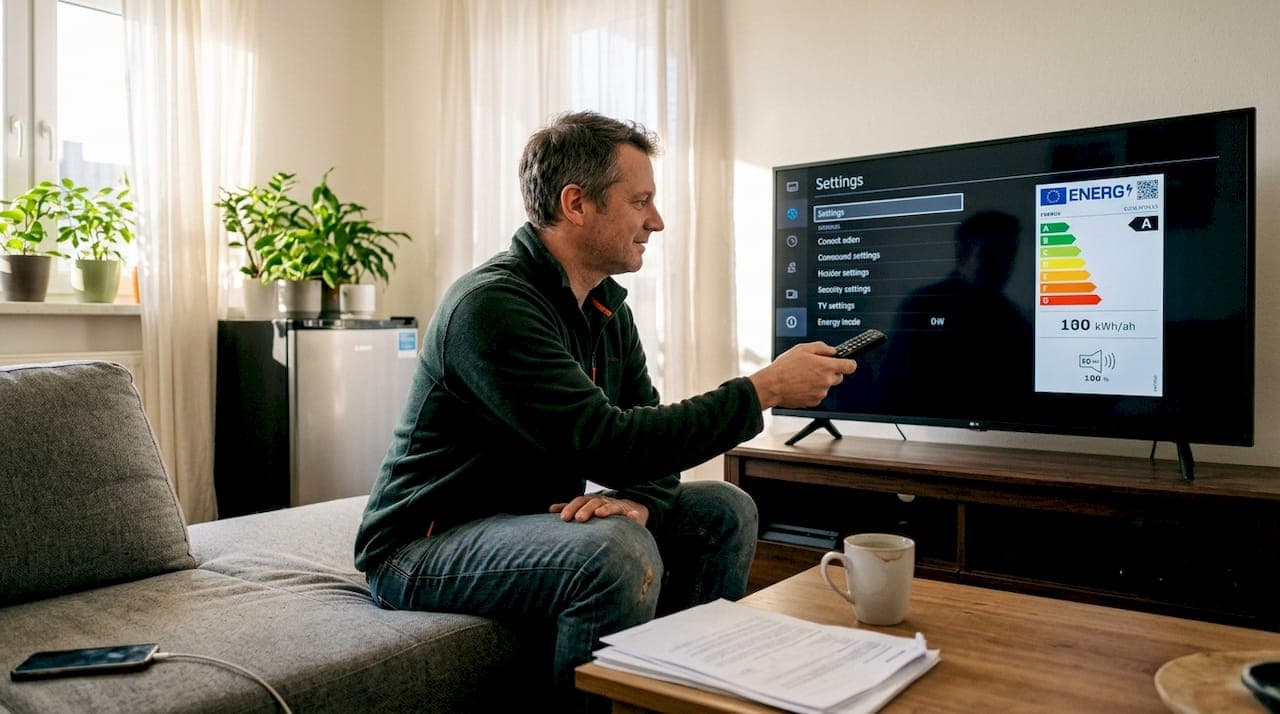
Since March 2021, the EU replaced the old A+++ to G scale with a cleaner A to G system. The key difference is that the new A-G label is deliberately strict. Products that previously earned an A+++ rating now typically fall into the C or D class, and the A class is intentionally left empty to give manufacturers a target to reach in coming years. This approach pushes innovation rather than rewarding yesterday's best.
Every new EU energy label includes a QR code you can scan to access the EPREL database, the EU's official product registry. There you'll find verified energy consumption data, noise levels, and technical specs. It takes seconds and gives you far more detail than the label alone.
For TVs and monitors, the label shows two key figures: SDR (standard dynamic range) and HDR (high dynamic range) power consumption. SDR reflects typical everyday viewing, while HDR applies when you stream 4K content with enhanced contrast. These two numbers can differ significantly, and most buyers only check one.
Here's what to look for on any EU energy label:
- Efficiency class (A-G): Aim for B or higher where available
- Annual energy consumption in kWh: Lower is better, regardless of class
- QR code: Always scan it for full EPREL product data
- SDR and HDR wattage (for displays): Compare both figures
- Noise rating (for appliances): Often linked to motor efficiency
For deeper guidance on reading labels across product types, the energy label tips available on our blog break down each section clearly. You can also explore our sustainable electronics guide for a broader look at what sustainability means in practice. The display efficiency benchmarks published by the EU offer additional technical context if you want to go further.
Energy efficient TVs and displays
Televisions are one of the most used devices in any home, so efficiency here has real impact. The Peaq PTV 50GQU-5024C draws just 100W, making it one of the more frugal 50-inch options available. Sony Bravia models range from 79W for smaller LED sets to 257W for larger OLED screens, showing how screen size and panel technology both matter.
OLED panels produce stunning picture quality but tend to use more power than LED-backlit LCD screens, especially at high brightness. Automatic brightness control (ABC) helps by adjusting the screen based on ambient light. Most modern efficient TVs include ABC as standard, and it can reduce real-world consumption by 20 to 30 percent compared to fixed brightness settings.
Resolution also plays a role. A 4K display running HDR content can consume nearly twice the energy of the same screen in SDR mode. The power per dm² for displays dropped 37% to 1.0 W/dm² in 2020 due to EU regulations, with projections reaching 0.35 W/dm² by 2030, saving an estimated 51 TWh across the EU.
| Model | Screen size | Typical wattage | Efficiency class |
|---|---|---|---|
| Peaq PTV 50GQU-5024C | 50 inch | 100W | B |
| Sony Bravia (LED, small) | 43 inch | 79W | C |
| Sony Bravia (OLED, large) | 65 inch | 257W | D |
Key factors that drive TV efficiency:
- LED panel type: Mini-LED and edge-lit models generally outperform full-array in efficiency
- ABC enabled by default: Check this setting is on, not just available
- Screen size match: Oversized TVs for small rooms waste energy constantly
- HDR usage: Streaming in SDR when HDR isn't needed cuts consumption noticeably
Pro Tip: Choose a TV size suited to your actual viewing distance. A 75-inch screen in a small room doesn't improve your experience, but it does increase your electricity bill every single day.
For a full breakdown of what to consider before buying, our smart TV buying guide covers screen types, sizes, and features in practical detail. The TV efficiency advantages article also highlights why newer models outperform older ones in real-world conditions.
Efficient refrigerators and kitchen appliances
Refrigerators run 24 hours a day, 365 days a year. That constant load makes efficiency improvements here more impactful than almost any other device. Dual-evaporator designs improve fridge efficiency by 7.2%, and modern refrigerators now use roughly 25% of the energy that comparable models consumed in the 1970s. That's not a small gain. It represents decades of compressor innovation, better insulation, and smarter airflow design.
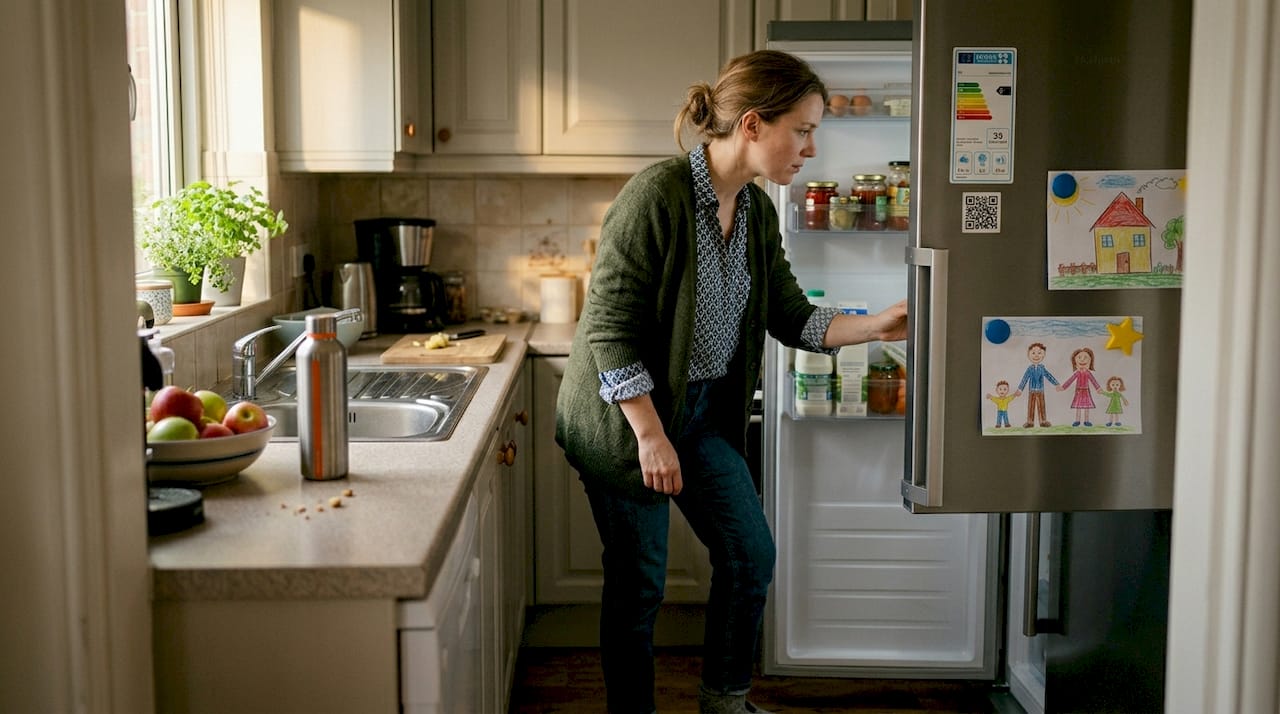
Inverter compressors are the other major advancement to look for. Traditional compressors switch fully on or off, which wastes energy during the frequent cycling. Inverter compressors run continuously at variable speeds, matching cooling output to actual demand. The result is quieter operation and meaningfully lower electricity use over time.
| Feature | Energy benefit | Label impact |
|---|---|---|
| Dual-evaporator | 7.2% efficiency gain | Improves class by 1 step |
| Inverter compressor | 15-20% less energy | Often required for A/B class |
| No-frost technology | Reduces defrost energy | Neutral to slight gain |
| Better door seals | Prevents cold air loss | Supports lower consumption |
In the kitchen beyond the fridge, induction cooktops transfer up to 90% of energy directly to the pan, compared to around 70% for ceramic and roughly 50% for gas. That efficiency difference adds up across daily cooking. For ovens, models with convection fans distribute heat more evenly and allow lower temperature settings, cutting cook times and energy use together.
Key things to look for in kitchen appliances:
- Inverter compressor label: Often listed in the product specs, not always on the label
- EU energy class A or B for fridges: Anything below C warrants a closer look
- Induction over ceramic: Faster, more efficient, and easier to control
- Oven capacity matched to use: Larger ovens take more energy to heat
Pro Tip: When comparing fridges, check the annual kWh figure on the label rather than just the class. Two B-rated fridges can differ by 40 kWh per year depending on size and internal layout.
Our efficient kitchen appliances guide covers specific models worth considering, and if you want broader advice on saving on appliances without cutting quality, that resource is worth bookmarking.
Chargers, power supplies, and networked electronics
Chargers and power supplies are easy to overlook, but they add up. Every device left plugged in but idle draws power. The new EPS regulation (EU) 2025/2052 sets minimum efficiency standards for external power supplies, mandates USB-C interoperability, and is projected to deliver 3% lifecycle energy savings by 2035. That regulation covers the chargers shipped with laptops, monitors, and consumer electronics sold across the EU.
Standby power is a separate but related issue. Routers, smart speakers, and set-top boxes often sit in a low-power state for hours. Updated EU rules now cap standby and networked standby at 0.5 to 2W, saving an estimated 4 TWh per year by 2030 and delivering around €530 million in annual consumer savings across the EU.
EU regulations for standby modes are projected to remove the equivalent emissions of 140,000 cars annually from European roads.
What this means practically for your home:
- Use USB-C chargers where possible: Newer universal chargers are more efficient and reduce adapter clutter
- Check router standby specs: Many older models exceed current limits significantly
- Smart plugs with scheduling: Cut power to devices that don't need to stay on overnight
- Look for the EU EPS compliance mark: Confirms the charger meets 2025 efficiency standards
For guidance on keeping your devices running well over time, the electronics maintenance tips on our blog cover practical steps. And if you're buying new chargers or accessories online, the safe electronics shopping guide helps you avoid counterfeit products that often fail efficiency standards entirely.
Comparison of energy efficient electronics: Which saves the most?
Not all efficiency upgrades deliver the same return. Here's a side-by-side look at the major categories, using empirical EU benchmarks including displays at 1.0 W/dm², washers at 40 kWh per 100 cycles, and standby below 0.5W.
| Category | Typical annual use | Efficient model use | Estimated savings |
|---|---|---|---|
| Refrigerator (A class) | 400 kWh | 150 kWh | ~250 kWh/year |
| TV 55 inch (B class) | 180 kWh | 90 kWh | ~90 kWh/year |
| Washing machine (A class) | 200 kWh | 120 kWh | ~80 kWh/year |
| Chargers and standby | 80 kWh | 30 kWh | ~50 kWh/year |
The numbers show that refrigerators offer the single largest household savings opportunity, largely because they run continuously. TVs come second, especially if you're replacing an older plasma or early LCD model. Chargers and standby devices seem small individually, but across a home with multiple networked devices, the total adds up quickly.
Key takeaways from the comparison:
- Fridges first: The continuous runtime makes efficiency class critical here
- TV size matters as much as class: A B-rated 75-inch uses more than a C-rated 55-inch
- Charger quality affects daily waste: Cheap chargers often draw more no-load power
- Combined upgrades multiply savings: Replacing three categories together can cut home electronics energy use by 30% or more
For a ranked breakdown of where to prioritize your upgrades, the energy savings ranking on our site organizes products by impact.
What really defines energy efficiency in 2026: Beyond the labels
Energy labels are a useful starting point, but they don't tell the whole story. A TV rated B in the showroom can behave more like a D in your living room if HDR is always active, brightness is set to maximum, and it runs eight hours a day. The label measures a standardized test condition, not your actual usage pattern.
We've seen this gap widen as screens get larger and content gets more demanding. The 20 TWh in display savings achieved by 2020 regulations are real and significant. But those gains can be partially offset at the household level by behavioral choices that the label simply can't account for.
The honest advice is to treat the label as a filter, not a final answer. Use it to eliminate poor performers, then dig into real consumption data via EPREL and manufacturer specs. Combine that with mindful habits: enable ABC, match screen size to room, and put networked devices on smart plugs. That combination, label class plus real data plus smart habits, is what actually delivers savings. Explore more on EU electronics advantages to understand how regulation and smart shopping work together.
Explore top energy efficient electronics for your EU home
You now have a clear picture of what makes electronics genuinely efficient and which upgrades deliver the most impact. At OnlineStore24, we carry a wide selection of energy-rated electronics sourced from trusted EU distributors, from efficient TVs and kitchen appliances to compliant chargers and networking gear.

If you're equipping your kitchen, check out Kenwood accessories that pair with efficient appliances for smarter food prep. For networked devices, the TRENDnet TEW-821DAP access point is a solid option that meets current standby efficiency standards. Browse the full catalog to find products that match your efficiency goals and budget, with fast delivery across the EU.
Frequently asked questions
How do I find the most energy efficient electronics in EU stores?
Check for the new A-G EU energy label on every product, scan the QR code to access full EPREL data, and compare the actual annual kWh figure rather than relying on the class letter alone.
What is the biggest energy saving electronics upgrade for my home?
Replacing an old refrigerator with a modern A-class model delivers the largest single saving, since modern fridges use roughly 25% of the energy older 1970s models consumed, with dual-evaporator designs adding a further 7.2% gain. Upgrading to an efficient TV like the Peaq PTV 50GQU-5024C at 100W is a strong second step.
Do efficient chargers and standby electronics really save energy?
Yes. Updated EU standby regulations now cap power draw at 0.5 to 2W per device, and the cumulative effect across all EU households is projected to save 4 TWh per year by 2030.
What is the difference between old A+++ and new A-G label classes?
The new A-G scale introduced in 2021 is significantly stricter. Products that previously qualified for A+++ now typically land at C or D, and the A class is kept empty to set a future performance target for manufacturers.
Does display resolution and HDR affect energy efficiency?
Yes, substantially. The EU's Energy Efficiency Index for displays accounts for both SDR and HDR consumption, and HDR mode can nearly double a screen's power draw compared to standard viewing.
Recommended
- What is an eco friendly gadget? A 2026 European guide – OnlineStore24 EU
- Advantages of consumer electronics for European homes 2026 | OnlineStore24 EU - Envío Rápido
- Smart consumer electronics tips for Europe 2026 | OnlineStore24 EU - Envío Rápido
- Smart ways to save on electronics without sacrificing quality