European households replace electronics 30% more often than necessary, costing families hundreds of euros yearly while contributing to mounting e-waste. Many failures stem from neglected maintenance rather than product defects. With new EU right-to-repair laws taking effect in 2026, homeowners now have stronger legal backing to extend appliance lifespans through proper care and timely repairs. This guide delivers practical maintenance routines, troubleshooting strategies, and insights into your repair rights, helping you maximize efficiency and avoid premature replacements.
Table of Contents
- Gathering tools and understanding your electronics
- Step-by-step maintenance for key home appliances
- Troubleshooting common issues and avoiding mistakes
- Protecting electronics from power surges and knowing your repair rights
- Explore reliable electronics and accessories at OnlineStore24 EU
- Frequently asked questions
Key takeaways
| Point | Details |
|---|---|
| Regular maintenance extends lifespan | Cleaning filters, seals, and coils monthly prevents 70% of common appliance failures and improves energy efficiency. |
| EU laws support repair rights | Manufacturers must provide repair manuals and spare parts for 7-10 years, empowering consumers to fix rather than replace. |
| Power surge protection is essential | 78% of electronic failures within five years result from power surges, making quality surge protectors a critical investment. |
| Know your warranty rights | EU warranties extend 12 months after repairs, and manufacturers cannot deny claims for proper self-maintenance. |
Gathering tools and understanding your electronics
Before touching any appliance, assemble the right tools and knowledge. Keep a maintenance kit containing precision screwdrivers, microfiber cloths, compressed air canisters, and a flashlight near your electronics. These items handle 90% of routine cleaning and inspection tasks without requiring specialized equipment.
User manuals are your roadmap. Most manufacturers provide downloadable PDFs on their websites, often in multiple European languages. These documents outline maintenance schedules, part locations, and troubleshooting steps specific to your model. Under 2026 EU regulations, manufacturers must provide repair manuals for both professionals and consumers, removing barriers that previously forced homeowners toward costly service calls.
Your legal position matters. EU consumer protection guarantees a 2-year warranty on all electronics, with repairs extending that period by an additional 12 months. Manufacturers must stock spare parts for 7-10 years after purchase, depending on product category. This framework transforms maintenance from optional to practical, since you can access parts and instructions long after buying electronics for modern homes.
Pro Tip: Create a digital folder on your phone with photos of model numbers, purchase receipts, and warranty cards for every appliance. This 10-minute task saves hours when ordering parts or filing claims.
| Tool/Resource | Purpose | Legal Requirement |
|---|---|---|
| Screwdriver set | Access panels and components | None |
| Microfiber cloths | Clean surfaces without scratching | None |
| Compressed air | Remove dust from vents and coils | None |
| User manual | Model-specific maintenance steps | Must be provided by manufacturer |
| Spare parts catalog | Identify replacement components | Available 7-10 years post-purchase |
Familiarizing yourself with these resources before problems arise puts you in control. When choosing new devices, consult an electronics buying guide that prioritizes repairability scores and manufacturer support quality alongside performance specs.
Step-by-step maintenance for key home appliances
Consistent maintenance prevents the buildup that causes 70% of appliance failures. Follow these routines to keep your devices running efficiently.
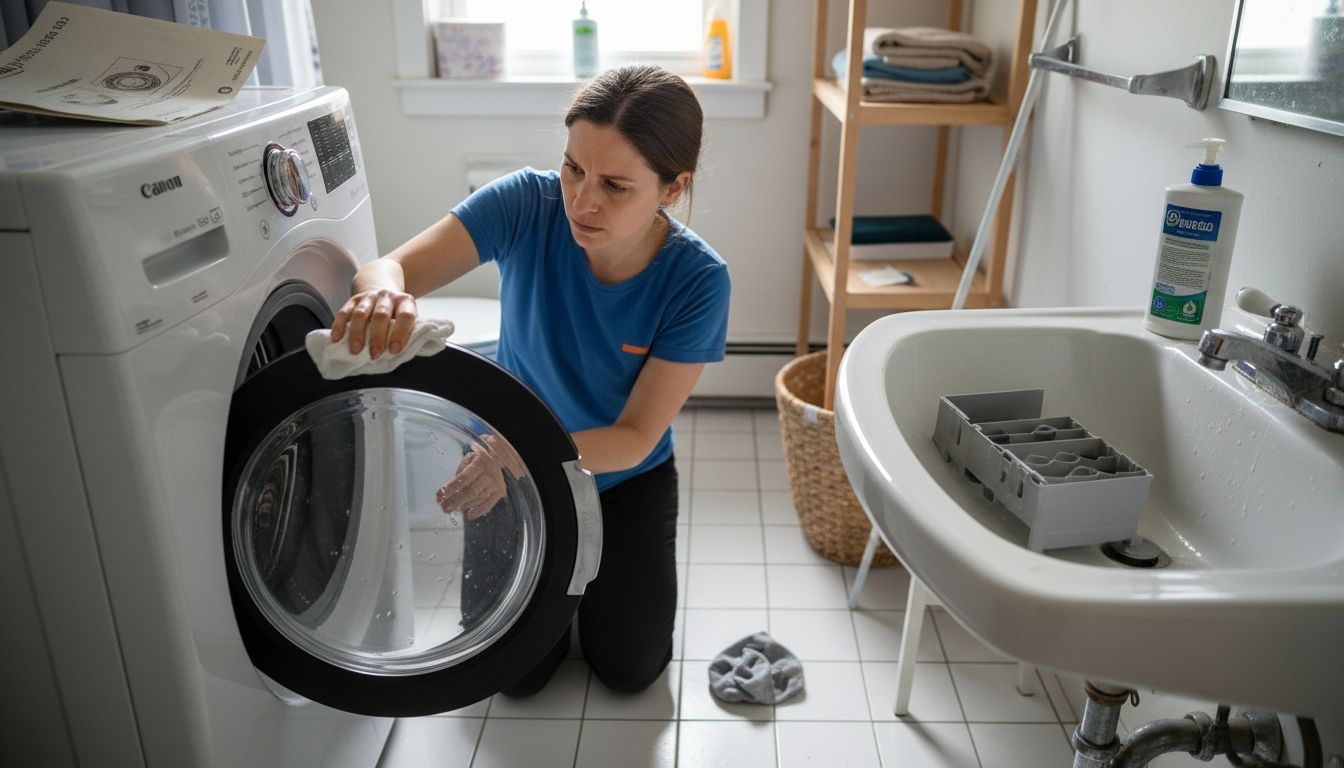
Washing machines require monthly attention. Remove and clean the dispenser tray under warm water, scrubbing away detergent residue with an old toothbrush. Check the drain pump filter, typically behind a small panel at the base, removing lint and small objects. Wipe door seals with a damp cloth to prevent mold growth. Run an empty hot cycle with white vinegar every six weeks to dissolve mineral deposits.
Tumble dryers demand post-cycle care. Clean fluff filters after each use by removing the screen and brushing away lint. Condenser dryers have water containers that need emptying and heat exchanger units requiring monthly rinsing. Vacuum the exterior vent opening quarterly to maintain airflow. These simple steps prevent overheating and reduce drying times by up to 25%.
Refrigerators benefit from quarterly coil cleaning. Unplug the unit, then vacuum or brush dust from the condenser coils on the back or bottom panel. This single task can cut energy consumption by 15%. Inspect door seals for cracks or looseness by closing the door on a piece of paper; if it slides out easily, the seal needs replacement. Wipe interior surfaces monthly with baking soda solution to prevent odors.
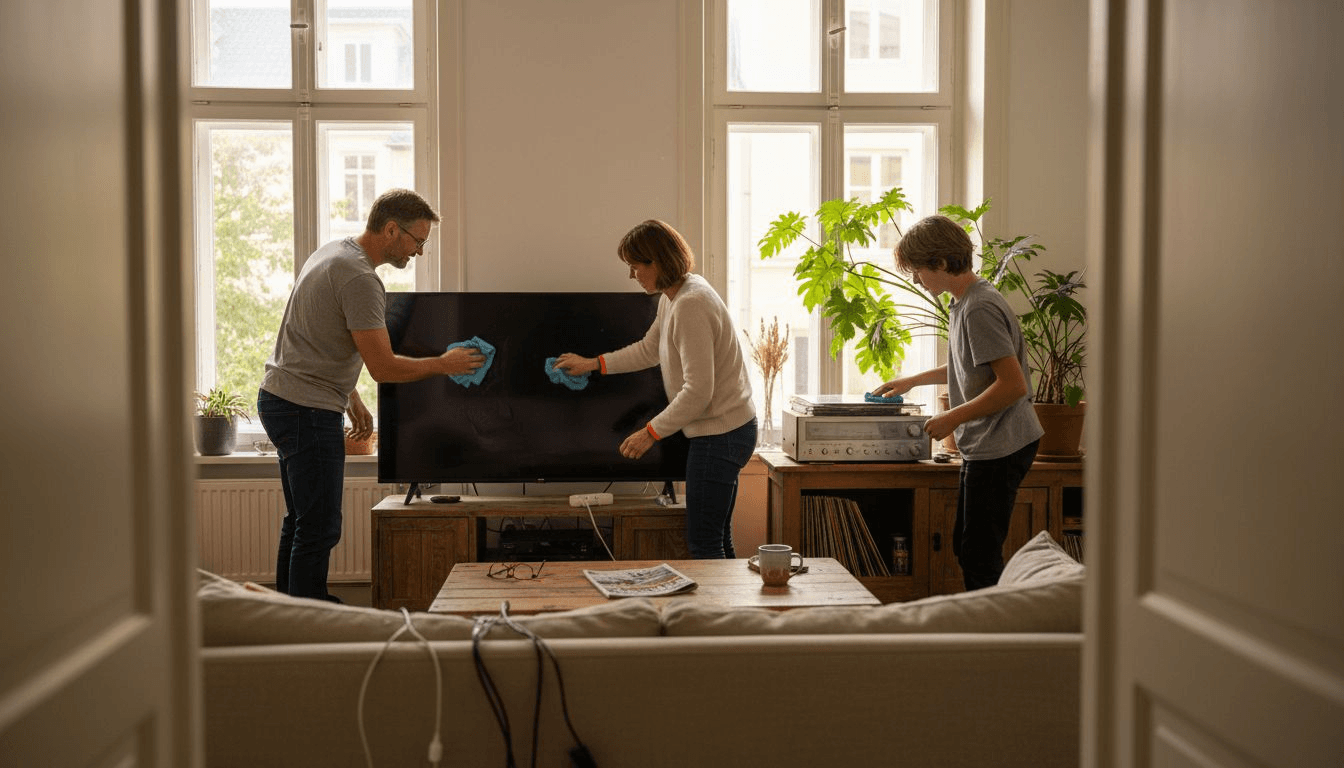
Televisions and monitors need dust management. Power off and wipe screens with microfiber cloths designed for electronics. Never spray liquid directly on screens. Ensure vents remain unobstructed, maintaining at least four inches of clearance. Check cable connections and wall mounts quarterly, tightening any loose hardware. Overheating from blocked vents shortens component life by years.
- Clean washing machine filters and seals monthly
- Empty dryer lint traps after every cycle
- Vacuum refrigerator coils every three months
- Dust TV vents and check cables quarterly
- Run appliance cleaning cycles as recommended in manuals
Pro Tip: Set recurring smartphone reminders for maintenance tasks. A five-minute monthly routine prevents hour-long repairs and extends appliance life by 40%.
Integrating these practices with smart home devices that monitor energy usage helps you spot efficiency drops early, signaling when deeper cleaning is needed.
Troubleshooting common issues and avoiding mistakes
Recognizing problems early saves money and prevents minor issues from becoming catastrophic failures. Increased noise ranks as the most common complaint. Vibration and restricted airflow cause most sound issues. Check that washing machines sit level using a bubble level, adjusting feet as needed. Verify refrigerators don't touch walls, allowing proper air circulation. Worn drum bearings in dryers produce grinding sounds, requiring professional replacement before motor damage occurs.
Slow performance signals maintenance neglect. Washing machines taking longer indicate clogged filters or mineral buildup. Dryers running extra cycles mean blocked lint screens or vents. Refrigerators struggling to maintain temperature often have dirty coils or failing door seals. Address these symptoms immediately rather than accepting degraded performance.
Leaks demand urgent attention. Water pooling under washers usually stems from loose hose connections or damaged door seals. Check all connections first, tightening with pliers if needed. Refrigerator leaks often come from blocked defrost drains; flushing with warm water and a pipe cleaner typically resolves this.
Error codes provide diagnostic shortcuts. Consult your manual to decode flashing lights or display messages. Many codes indicate simple fixes like unbalanced loads or closed water valves. Document recurring codes when contacting support.
Avoid these maintenance mistakes:
- Skipping manual instructions and using generic advice
- Applying harsh chemicals that damage seals and finishes
- Ignoring small problems until they require expensive repairs
- Installing incompatible third-party parts that void warranties
- Delaying professional help for electrical or mechanical issues beyond your skill level
"It is essential to abandon the throwaway culture which depletes natural resources and empties consumers' pockets."
Under the EU right to repair directive, manufacturers cannot block repairs through software locks or contract clauses. You have legal standing to fix devices yourself or choose independent repair shops without losing warranty protection, provided you follow proper procedures and use approved parts.
- Identify unusual sounds by location and frequency
- Check and clean all filters before calling service
- Reset error codes using manual instructions
- Verify level installation and proper clearances
- Document warranty information and repair history
When DIY troubleshooting fails, knowing your rights ensures fair treatment. Keep records of all maintenance performed, as this documentation supports warranty claims and demonstrates responsible ownership when seeking repairs for modern home electronics.
Protecting electronics from power surges and knowing your repair rights
Power surges destroy more electronics than any other single cause. A survey found 78% of equipment failures within five years stem from voltage spikes. Lightning strikes, grid switching, and large appliances cycling on create these damaging events. Without protection, sensitive circuits in modern electronics cannot withstand repeated exposure.
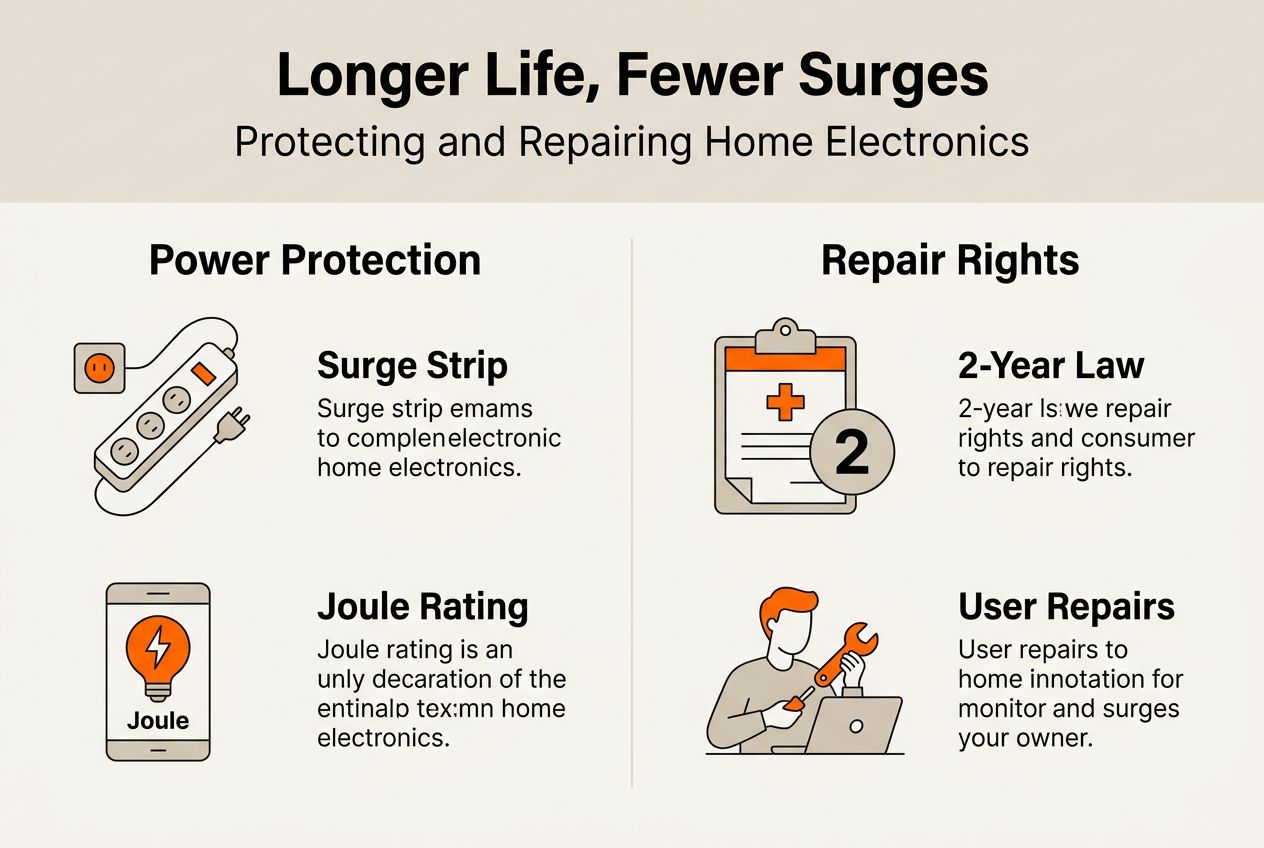
Choosing the right surge protector requires understanding joule ratings. This number indicates how much energy the device can absorb before failing. Basic models offer 400-600 joules, suitable for lamps and basic electronics. Mid-range units provide 1000-2000 joules for computers and entertainment systems. Premium protectors deliver 2500+ joules for expensive equipment. Higher joule ratings provide stronger protection, making them worthwhile investments for valuable devices.
| Surge Protector Type | Joule Rating | Best For | Pros | Cons |
|---|---|---|---|---|
| Basic strip | 400-600 | Lamps, chargers | Low cost, compact | Minimal protection |
| Standard unit | 1000-2000 | TVs, computers | Good value, adequate protection | Limited high-end safeguards |
| Premium model | 2500+ | Home theaters, workstations | Maximum protection, warranty | Higher price |
| Whole-house | 50000+ | Entire electrical panel | Protects all circuits | Requires electrician installation |
Replace surge protectors every three to five years, or immediately after a major surge event. Indicator lights show when protection remains active. Connecting expensive electronics directly to wall outlets without surge protection is false economy that risks hundreds in replacement costs.
Your repair rights under 2026 EU legislation provide powerful consumer protections. Key provisions include:
- Manufacturers must supply spare parts for 7-10 years after product discontinuation
- Repair manuals must be accessible to consumers and independent repair shops
- Warranty periods extend by 12 months following any repair
- Software locks preventing repairs are prohibited
- Repairability scores must be displayed at point of sale
These rules shift power back to consumers, making repair economically viable and legally supported. When manufacturers previously refused to sell parts or provide documentation, consumers faced forced obsolescence. Now you can confidently maintain devices knowing parts and information remain available throughout the product's useful life.
Pro Tip: Register products immediately after purchase to establish warranty start dates and receive recall notifications. This simple step protects your investment and ensures you receive all legal protections.
Combining physical protection through surge suppressors with legal knowledge about repair rights creates a comprehensive strategy for extending electronics lifespan. Browse electronics buying guides for 2026 to identify products with strong repairability ratings and manufacturer support reputations.
Explore reliable electronics and accessories at OnlineStore24 EU
Maintaining your home electronics becomes easier when you have access to quality products and accessories designed for European homes. OnlineStore24 EU offers a curated selection of consumer electronics, home appliances, and technology accessories that complement your maintenance efforts and enhance your living space.

Keeping your smart home devices connected requires reliable networking equipment. The Wi-Fi Amplifier Trendnet TI-IG90 extends coverage to areas where signals weaken, ensuring your connected appliances maintain stable communication. For power-over-ethernet solutions that simplify installations, the Wi-Fi Amplifier Trendnet TPE-E100 delivers both data and power through a single cable.
"Shopping trusted electronics with European delivery ensures compatibility with local standards and access to warranty support throughout the EU."
Explore the full catalog at OnlineStore24 EU to find products that support your home maintenance goals while benefiting from competitive pricing and reliable EU-based fulfillment.
Frequently asked questions
How long should I keep appliance manuals for repairs?
Retain manuals for the entire ownership period, ideally 7-10 years minimum. EU regulations require manufacturers to provide repair support for this duration, making your original documentation valuable for ordering parts and understanding maintenance procedures. Digital copies stored in cloud services ensure you never lose access even if paper versions disappear.
Can I legally repair electronics myself under EU warranty laws?
Yes, 2026 EU legislation explicitly supports consumer repair rights. Manufacturers cannot void warranties for self-performed maintenance or repairs, provided you follow proper procedures and use approved parts. The law prohibits software locks and contractual clauses that previously blocked consumer repairs, empowering you to maintain devices without losing legal protections.
How often should I clean my washing machine or dryer?
Washing machines need monthly cleaning of dispensers, filters, and door seals, with hot cleaning cycles run every six weeks. Dryers require lint filter cleaning after every single use and water container emptying for condenser models. Heat exchangers need monthly rinsing. These frequencies prevent 70% of common failures and maintain peak efficiency.
What surge protector should I choose to best protect home electronics?
Select surge protectors based on your equipment value and sensitivity. Basic 400-600 joule units suffice for simple devices, while computers and entertainment systems need 1000-2000 joules. Premium electronics warrant 2500+ joule protection. Match the joule rating to your device's replacement cost, and replace protectors every three to five years regardless of visible condition.
What are common signs that an appliance needs professional servicing?
Persistent unusual noises despite cleaning, error codes that reappear after resets, visible leaks from unknown sources, and performance degradation continuing after maintenance all indicate professional attention is needed. Burning smells, sparking, or electrical issues require immediate disconnection and expert diagnosis. Document symptoms and maintenance history before contacting service providers to expedite repairs.
Recommended
- Best Electronics for Modern Homes in Europe (2026 Guide) – OnlineStore24 EU
- Best Electronics for Modern Homes in Europe: Complete 2026 Buying Guide – OnlineStore24 EU
- Complete Electronics & Lifestyle Buying Guides for Europe 2026 – OnlineStore24 EU
- Smart Home Devices Guide 2026: Transform Your European Home – OnlineStore24 EU