TL;DR:
- EMEA leads global tech growth through premiumization and sustainability focus.
- AI wearables and MicroLED TVs are major 2026 innovations with strong consumer adoption.
- Privacy concerns and chip shortages influence purchase decisions and product prices.
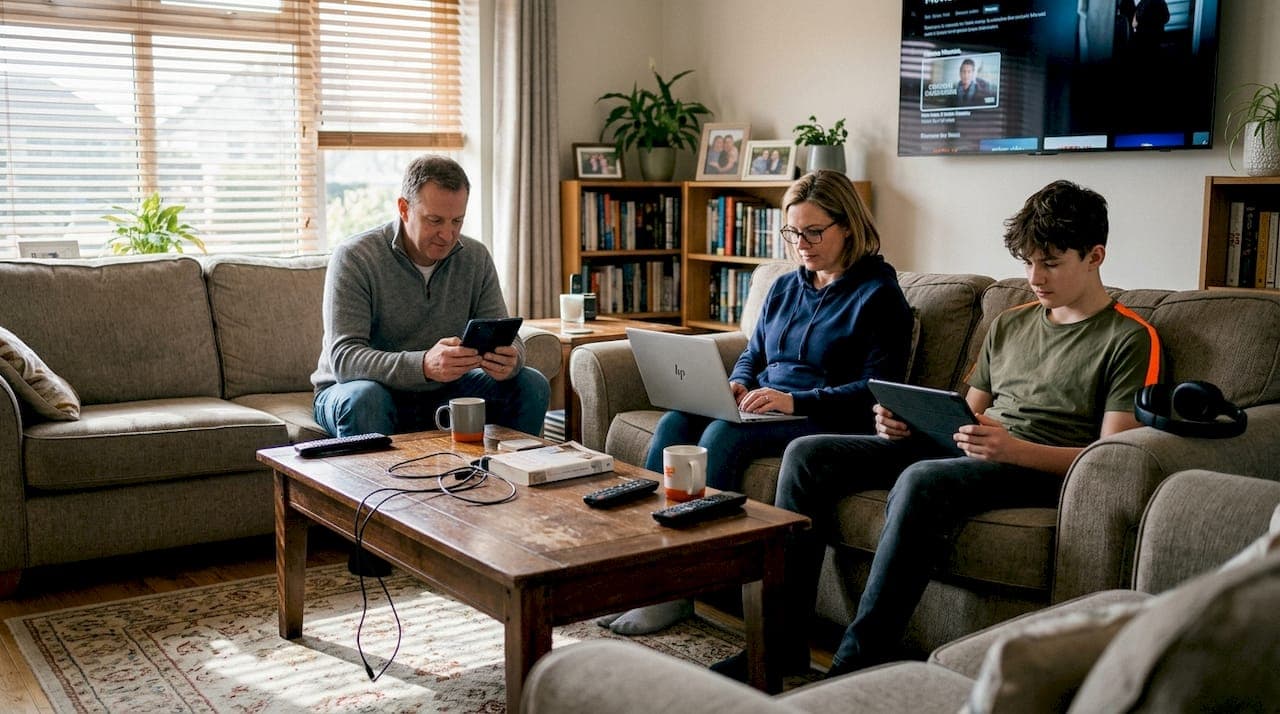
The consumer electronics market in 2026 is moving fast, and staying ahead of it requires more than just browsing headlines. Global tech spending is flat, yet the EMEA region is pulling ahead with stronger growth than both China and the United States. For European early adopters, this creates a genuine advantage. AI wearables, humanoid robots, MicroLED displays, and Matter-enabled smart homes are no longer concepts on a roadmap. They are arriving in stores, shipping from EU warehouses, and reshaping how people live. Knowing which trends are real and which are overhyped is what separates smart buyers from regretful ones.
Table of Contents
- EMEA leads global tech growth amid market flatness
- Smartphones, PCs and AI wearables: What's new in 2026
- MicroLED TVs and agentic AI: The future of connected homes
- Humanoid robots and sustainability: Key household shifts
- A practical perspective: Early adopter advice for 2026
- Connect with Europe's top electronics for 2026
- Frequently asked questions
Key Takeaways
| Point | Details |
|---|---|
| Europe drives premium tech | EMEA is the fastest-growing region for consumer electronics, due to demand for advanced and sustainable devices. |
| AI wearables are booming | AI-enhanced devices are becoming mainstream in Europe, transforming health, fitness, and daily life. |
| MicroLED TVs now affordable | Extra-large MicroLED TVs are accessible to more consumers, offering bright, immersive home theaters. |
| Smart homes get smarter | Universal standards like Matter and agentic AI make connected homes more secure and easier to manage. |
| Eco-tech takes center stage | European households prioritize energy efficiency and recyclable materials for sustainable living. |
EMEA leads global tech growth amid market flatness
The global consumer electronics market is experiencing an unusual moment. Overall spending is essentially flat, yet EMEA leads tech spending growth by a clear margin over every other region. That is not a minor footnote. It signals that European consumers are actively choosing to upgrade, premiumize, and invest in new device categories even when global demand stalls.
What is driving this? European buyers tend to prioritize quality over volume. They are more likely to spend more on a single premium device than to buy several budget alternatives. This behavior, often called premiumization, is pushing manufacturers to release their best hardware first in European markets. You can see this play out across electronics trends in Europe with faster rollouts of AI-integrated devices and energy-efficient appliances.
Key factors behind EMEA's tech growth in 2026:
- Strong demand for premium smartphones and AI-enabled wearables
- Rapid expansion of smart home adoption across Western and Northern Europe
- Digital retail growth, with more consumers buying electronics online
- Regulatory incentives for energy-efficient and sustainable devices
- Higher disposable income segments driving frequent upgrades
According to EMEA tech growth analysis, European markets are also benefiting from stronger digital retail infrastructure. This makes it easier for consumers to access cutting-edge products quickly. The growth of digital retail in Europe is compressing the time between a product launch and when it lands in your hands.
| Region | 2026 Tech Spending Growth | Key Driver |
|---|---|---|
| EMEA | Highest globally | Premiumization, sustainability |
| China | Moderate | Volume-driven recovery |
| North America | Flat | Market saturation |
| Asia-Pacific | Mixed | Budget segment dominance |
For early adopters, this regional leadership matters. Products designed with European preferences in mind, including privacy compliance, energy ratings, and ecosystem compatibility, are arriving faster and in greater variety than in previous years.
Smartphones, PCs and AI wearables: What's new in 2026
Not every device category is thriving equally. Smartphone shipments may contract 5% in 2026 due to NAND memory shortages, which are also pushing retail prices upward. If you were planning a flagship upgrade, expect to pay more or wait longer than in previous years. PCs face a similarly volatile picture, with demand fluctuating between enterprise refresh cycles and consumer hesitation.
AI wearables are the clear bright spot. AI-enhanced health devices are reshaping the wearables category in Europe, moving well beyond step counting and heart rate monitoring. Devices like the Oura Ring now track sleep stages, body temperature, and stress markers with clinical-grade accuracy. Smartwatches are integrating ECG sensors and blood oxygen monitoring as standard features, not premium add-ons.
Top AI wearable categories gaining traction in 2026:
- Health-centric smart rings with continuous biometric monitoring
- AI-powered smartwatches with predictive health alerts
- Fitness bands with personalized coaching via on-device AI
- Hearables with real-time language translation and hearing enhancement
- Smart glasses with ambient AI assistance and AR overlays
There is a counter-trend worth noting. Privacy concerns around always-on AI wearables are growing in Europe, where data fears around AI wearables are prompting regulatory scrutiny. GDPR compliance is not optional, and some consumers are deliberately choosing simpler devices as a response. The so-called "dumb phone" movement is a real, if niche, reaction to this.
| Device Type | 2026 Trend | Price Direction |
|---|---|---|
| Flagship smartphones | Shipment contraction | Rising |
| AI smart rings | Strong growth | Stabilizing |
| Laptops | Volatile demand | Mixed |
| AI smartwatches | Rapid adoption | Competitive |
Pro Tip: If you are planning a smartphone upgrade in 2026, consider waiting until Q3 when memory supply is expected to stabilize and prices may ease. Use the interim period to explore consumer electronics advantages in adjacent categories like wearables or smart home devices.
MicroLED TVs and agentic AI: The future of connected homes
Home entertainment is undergoing a genuine shift. MicroLED TVs are now mainstreaming, with 100-inch and larger sizes becoming accessible to buyers outside the luxury segment. This is a significant change. MicroLED technology offers superior brightness, near-perfect black levels, and a color gamut that meets the BT.2020 standard, which covers a far wider range of colors than traditional LCD or even OLED panels.
The cost drop has been driven by improved manufacturing yields and competition between Samsung, LG, and Chinese panel makers. Samsung's MicroLED showcase at CES 2026 demonstrated modular designs that allow consumers to configure screen sizes without replacing the entire unit. That flexibility is a practical advantage for European apartments and living spaces where fixed large screens are not always feasible.
Why MicroLED is worth your attention in 2026:
- No burn-in risk, unlike OLED panels
- Exceptional brightness for well-lit European living rooms
- Energy efficiency improvements over previous generations
- Modular configurations for flexible installation
- Longer lifespan than competing display technologies
On the smart home side, AI integration is now standard across connected home ecosystems, particularly through the Matter standard. Matter is a universal protocol that allows devices from different brands to communicate without friction. Combined with agentic AI, which refers to AI that can take autonomous actions on your behalf, smart homes in 2026 can anticipate your preferences, adjust energy use, and coordinate devices without manual input.
Edge AI is becoming the preferred architecture for smart home devices, processing data locally rather than in the cloud. This reduces latency and keeps your personal data on your own network.
For a practical overview of what fits in a modern connected home, the consumer electronics guide covers the full ecosystem. You can also explore energy-efficient electronics that pair well with smart home setups.
Pro Tip: When building a smart home in 2026, prioritize Matter-compatible devices from the start. Retrofitting older ecosystems is costly and time-consuming. Starting with a unified protocol saves money and frustration over the long term.
Humanoid robots and sustainability: Key household shifts
Humanoid robots made a strong showing at CES 2026, and robots are advancing for domestic use in chores, caregiving, and companionship roles. These are not science fiction props. Several models demonstrated at CES can fold laundry, load dishwashers, and assist elderly users with mobility tasks. The timeline for mainstream household adoption is still a few years out, but the trajectory is clear.

For now, the more immediate robot category for European homes is the robot vacuum segment, which has matured significantly. Modern robot vacuums combine lidar mapping, AI obstacle avoidance, and self-emptying bases into compact units that genuinely reduce household labor.
Sustainability priorities shaping European electronics in 2026:
- Energy efficiency ratings now influence purchasing decisions as much as performance specs
- Recyclable and modular device designs gaining regulatory support across the EU
- Right-to-repair legislation pushing manufacturers toward replaceable components
- Eco-labeling becoming a standard feature on packaging for major electronics brands
- Consumers using major events like the 2026 World Cup as upgrade triggers for new TVs
Sustainability trends dominate device design in 2026, with European consumers actively choosing brands that align with their environmental values. This is not just a marketing angle. EU regulations are enforcing minimum energy standards and requiring manufacturers to provide longer software support windows.
The 2026 World Cup is expected to drive a significant wave of TV upgrades across Europe, with MicroLED and QLED models positioned as the aspirational choice for football-watching households.
Pro Tip: Check the EU Energy Label before purchasing any major appliance or display. An A-rated device may cost slightly more upfront but will reduce your electricity bill meaningfully over a three to five year ownership period. Explore eco-friendly electronics examples for practical options across categories.
A practical perspective: Early adopter advice for 2026
Here is something most trend articles will not tell you: not every 2026 innovation deserves your money right now. AI wearables and Matter-enabled smart homes offer genuine value for early adopters who are willing to engage with the setup process and accept some software immaturity. These categories are real, functional, and improving quickly.
MicroLED TVs are compelling, but if your current display works well, the upgrade math may not favor you until 2027 when prices drop further. Humanoid robots are fascinating but still pre-consumer in any practical sense.
The chip shortage affecting smartphones is a genuine reason to pause on flagship upgrades. Paying a premium for a device that will be matched or beaten in six months is rarely a winning strategy. Patient buyers in 2026 will likely get better value by waiting for supply to normalize.
Privacy is also a real consideration, not just a talking point. European GDPR rules create specific obligations for AI wearable manufacturers, and not all brands are fully compliant yet. Before committing to an always-on health device, check its data residency and processing policies. The electronics buying guides for 2026 can help you evaluate specific products against these criteria.
Focus on what solves a real problem in your household. That is always the right filter.
Connect with Europe's top electronics for 2026
Now that you have a clear picture of what 2026's biggest tech trends look like, the next step is finding the right products from a retailer you can trust. At Online-Store24, we stock a curated range of consumer electronics sourced from established European distributors, with fast delivery across the EU.
Whether you are setting up a smart home, upgrading your audio setup, or looking for reliable networking gear, we have you covered. Check out compatible accessories like Kenwood kitchen accessories for your connected home, or boost your network with the TRENDnet access point to support all your new smart devices. Browse the full catalog and find products that match the trends shaping your 2026 setup.
Frequently asked questions
Why is EMEA leading consumer electronics growth in 2026?
EMEA leads consumer tech spending growth because European consumers are prioritizing premium, AI-enabled, and sustainable electronics over budget alternatives, fueling stronger regional growth than China or North America.
What are the biggest challenges for new AI wearables in Europe?
Privacy concerns for always-on AI wearables are significant in Europe, where GDPR regulations require strict data handling standards that not all manufacturers currently meet.
How affordable are MicroLED TVs in 2026?
MicroLED TVs are now mainstream in 2026, with leading brands offering 100-inch configurations at price points accessible to buyers beyond the luxury segment.
What sustainability trends are shaping European electronics?
Energy-efficient devices and recyclable materials are central to European electronics in 2026, supported by EU regulations and growing eco-conscious consumer demand.
Recommended
- Smart consumer electronics tips for Europe 2026 | OnlineStore24 EU - Envío Rápido
- How AI is transforming consumer electronics in 2026
- Advantages of consumer electronics for European homes 2026 | OnlineStore24 EU - Envío Rápido
- Best Electronics for Modern Homes in Europe: Complete 2026 Buying Guide – OnlineStore24 EU